Training Solutions
 Marine Solutions
 Powerboat School
 School of Sailing
As our name suggests, Falmouth Boat Charters are based in the historic town of Falmouth, on the south coast of Cornwall. With a rich maritime heritage, acclaimed reputation for food and drink, world-class beaches and excellent sailing, it’s little wonder visitors flock here each year.
Our team are all passionate about Cornwall, able to advise on where to sail, places to eat and things to do. If you would like to talk through some itinerary options, just contact our friendly team.
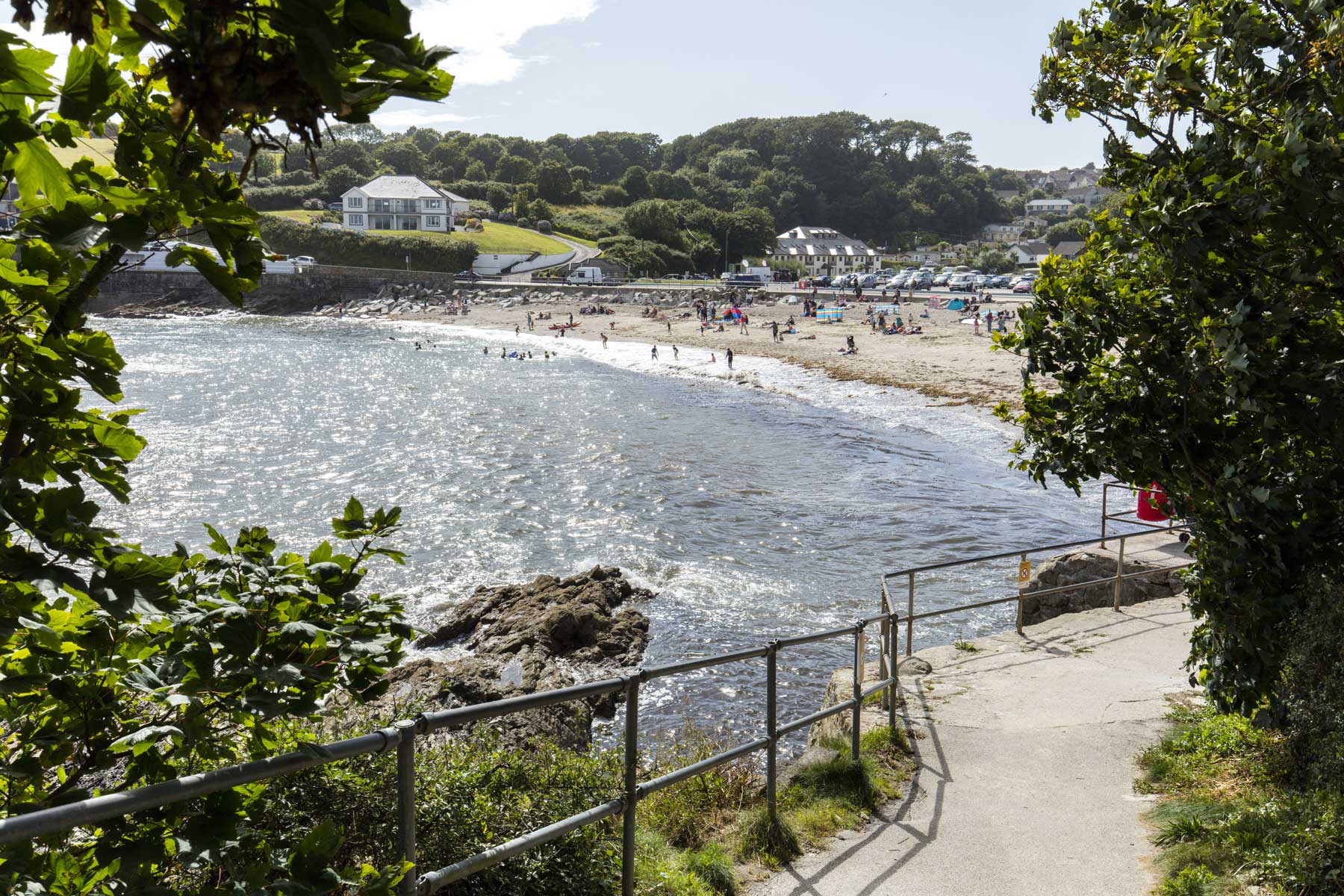
From Falmouth, it is possible to sail in every direction with each holding an allure of their own however your qualifcation levels will dictate how far you can sail from a safe haven.
Heading north will take you inland along the stunning Carrick Roads, east will see you voyage along the gentle south Cornish coast, where you can call in at Mevagissey, Fowey and Looe. If you choose to head west then you could explore the scenic Helford River, the bustling port of Penzance or perhaps Newlyn. From here it is possible to make the crossing over to the breathtaking Isles of Scilly archipelago, providing you hold a minimum qualification of ‘Coastal Skipper Practical’ or higher’.
Those with a Day Skipper ticket must ensure they stay within 20 miles of a safe haven which means it is not possible to sail past the Lizard point, should you choose to sail in that direction. We usually advise an easterly course as there are plenty of safe havens along the coastline here.
Where to explore?
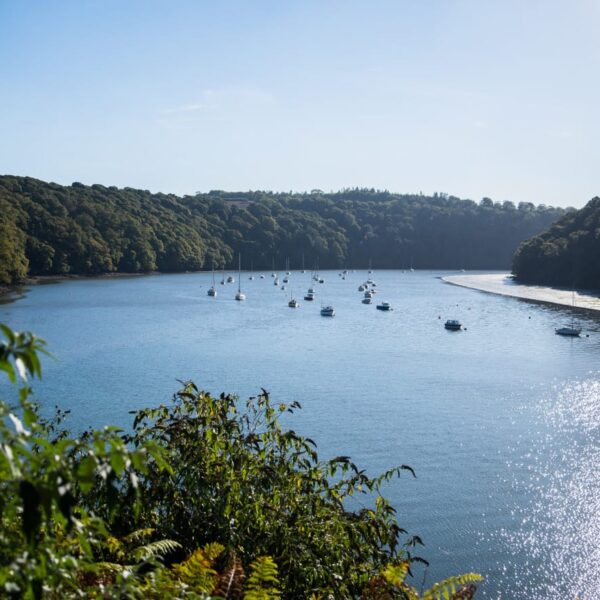
Local
Tranquil estuaries and a cathedral city
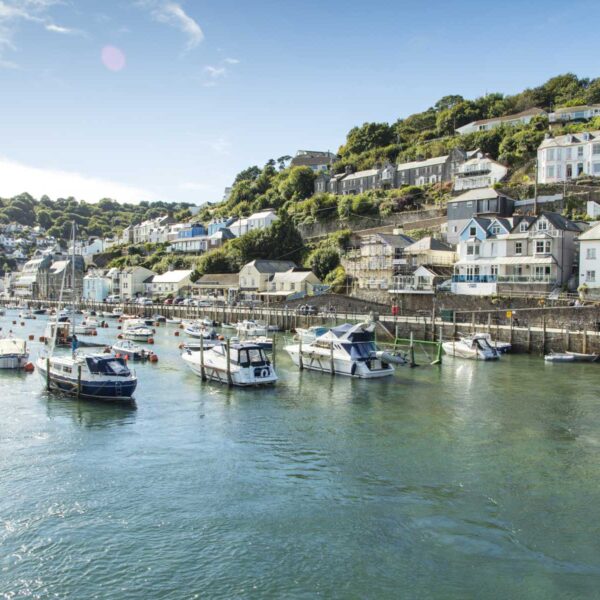
East
Picturesque fishing villages
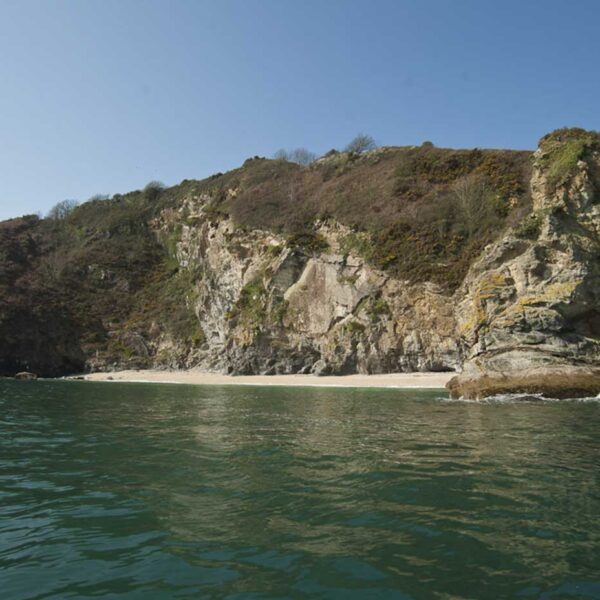
West
Dramatic cliffs and low-lying islands
Find out more about Falmouth
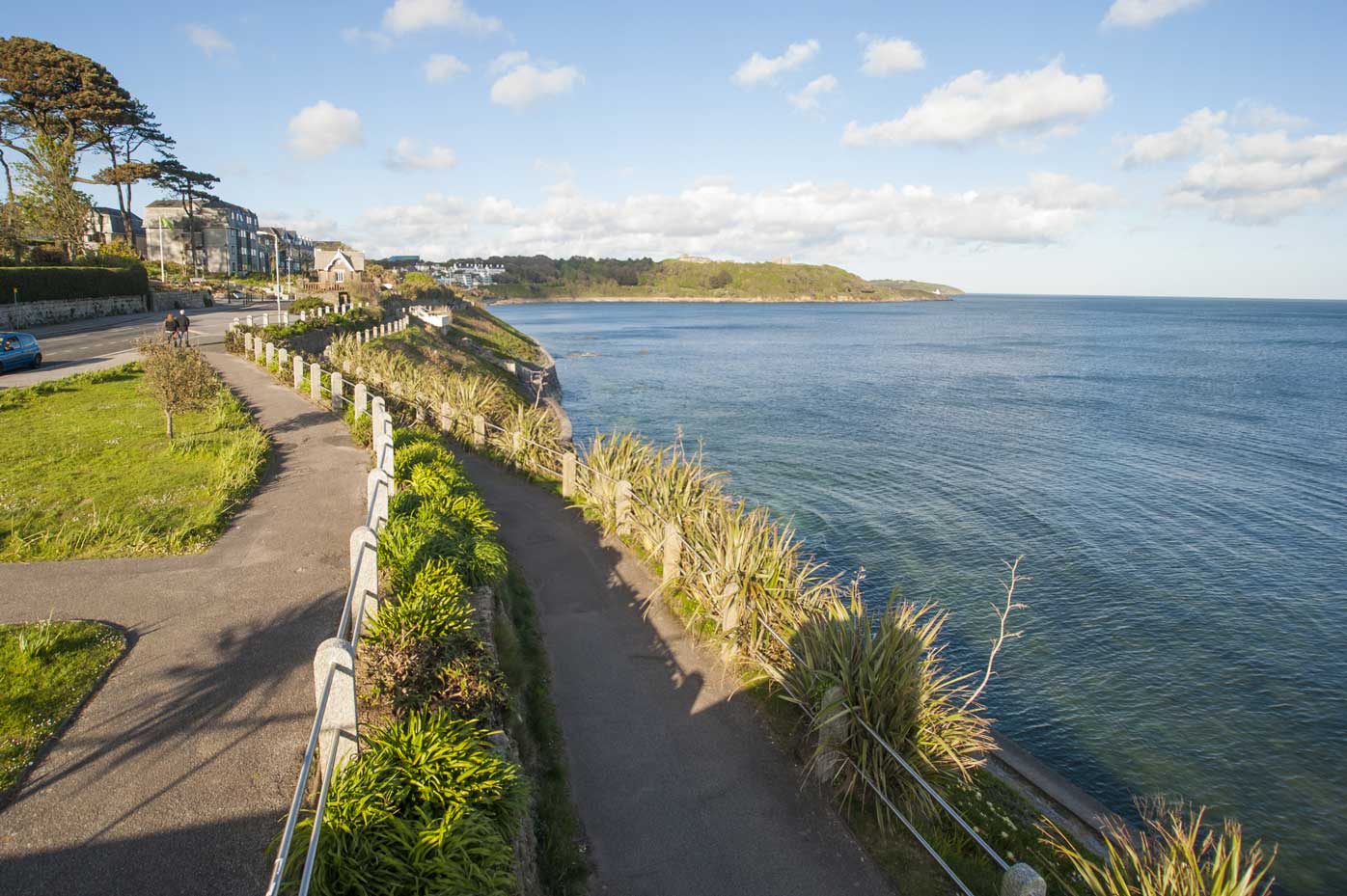
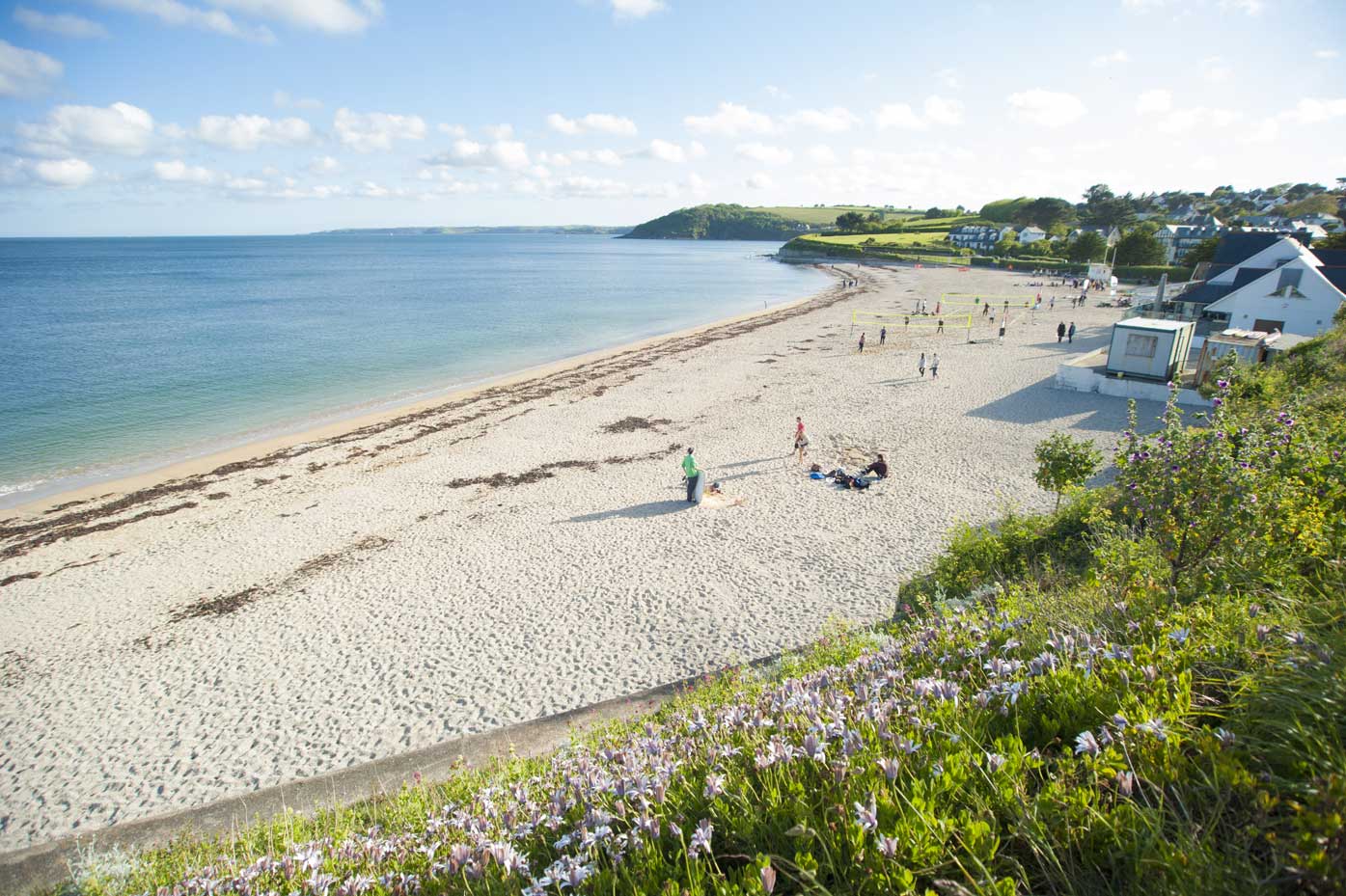
Home to the third deepest natural harbour on the planet, Falmouth is an important maritime town with a bustling commerical port and lively leisure watersport marinas. The town itself is full of independent shops, cafes, pubs and restaurants whilst the waterfront is a fabulous mix of sandy beaches, rocky coves and hotels. If you’re planning on sailing from here, it’s worth staying a while longer.
Set amongst some of the most beautiful coastline and countryside in Britain, Falmouth benefits from a southerly position with pleasant climate with its mild winters, enabling access to watersports all year round.
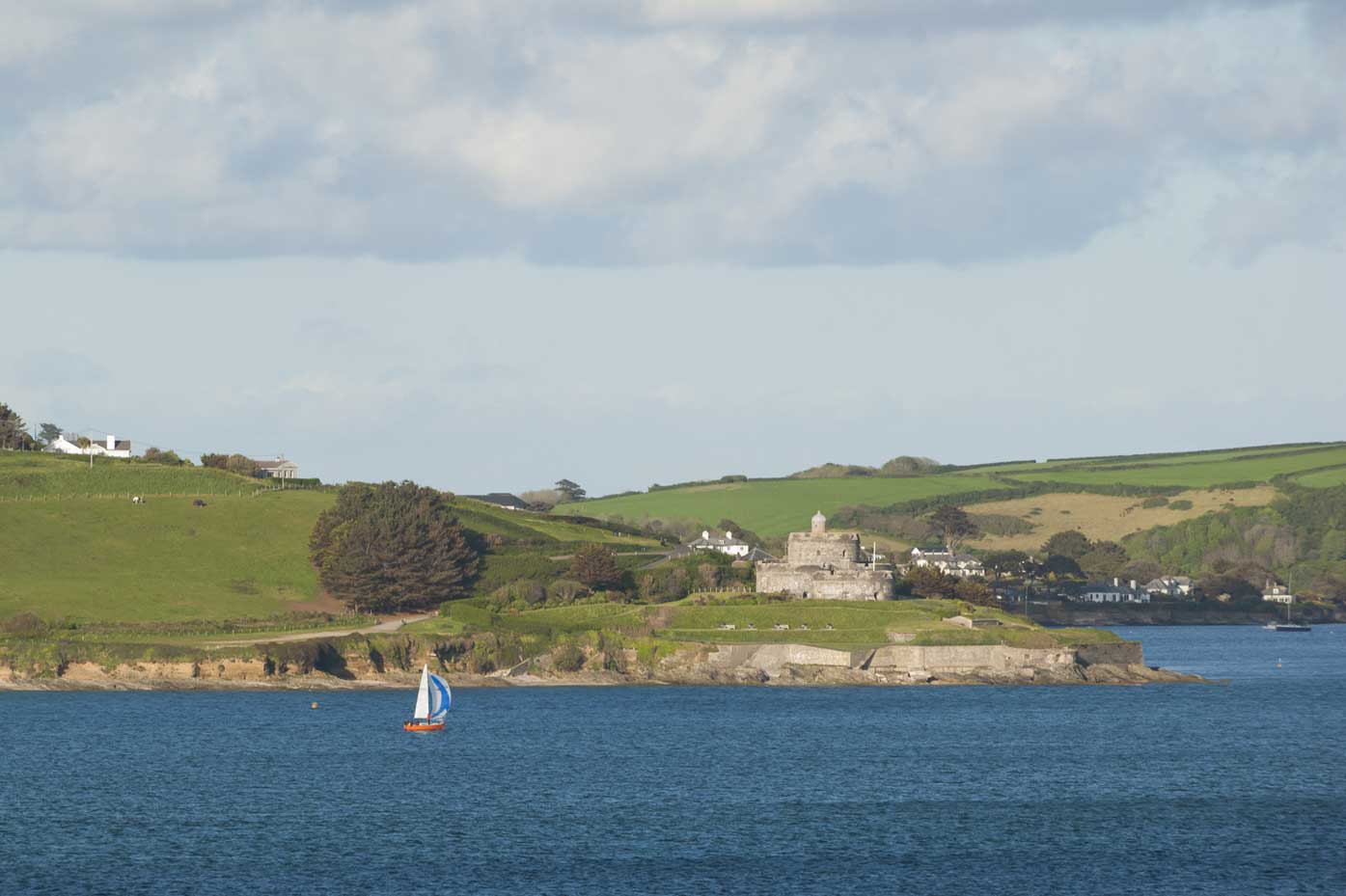
On arrival into Falmouth from the water, sailors are greeted by Henry VIII’s twin castles of Pendennis and St. Mawes, which have stood guarding the Fal Estuary since 1540, each surrounded by rolling green hills which tumble down into tranquil creeks or onto golden sandy beaches.
With so much to explore, sailing around Falmouth has much to offer and the Fal Estuary is arguably one of the most beautiful area of creeks and rivers in the country. Its warm, deep waters and gentle currents make it one of the best day sailing locations in the world with plenty of sheltered anchorages to enjoy a swim or picnic.
Once the prime port for the Packet Ships and first port of call for the wool and tea Clippers, it is now a favourite spot for transatlantic sailors, and home of one of the last fishing fleets in the world to work exclusively under sail.
In winter, classic sailing dredgers work the shallow banks for oysters; small fishing boats bring home their catch of mackerel and shellfish; from spring through summer to Christmas, yachts and dinghies race in the Carrick Roads; in August the whole estuary and bay is awash with colour and sound, first from the 300 strong Falmouth Classics Rally and then for Falmouth Week through to the Oyster Festival; ferries and trip boats ply to and fro; tugs, pilot vessels and ships manoeuvre off the docks; passenger liners anchor for day visits ashore.
If you fancy stretching your legs then you will can take advantage of the gorgeous The South West Coastpath which leads both south and west from Falmouth. Discover sandy beaches, hidden rockpools and gentle coastal features as you travel towards the Helford River. From here the coastline transforms into dramatic, rugged granite cliffs as the coastpath rounds Lizard point, the most southerly place in Britain, before arriving in to Land’s End, which is as far west as you can go.
Falmouth was founded as a market town and port in the 17th century by a man called Sir John Killigrew. In 1540-1545 King Henry VIII built two forts to guard the entrance to the Carrick Roads, Pendennis Castle and, opposite, St Mawes Castle. During the civil war of 1642-1646 Pendennis Castle was the second-to-last fort held by Royalists to surrender. Nevertheless, after the Civil War, Falmouth continued to grow. The main town of the district was then at Penryn. Sir John Killigrew created the town of Falmouth shortly after 1613.
In the late 16th century, under threat from the Spanish Armada, the defences at Pendennis were strengthened by the building of angled ramparts. During the Civil War, Pendennis Castle was the second to last fort to surrender to the Parliamentary Army.
After the Civil War, Sir Peter Killigrew received royal patronage when he gave land for the building of the Church of King Charles the Martyr to King Charles II in 1660 who gave Falmouth a charter (a document granting the townspeople certain rights). In return the Falmouth townspeople built a church in dedication to his father, King Charles the Martyr. The new church was consecrated in 1665. In 1688 Falmouth was made the Royal Mail packet station. Ships carried mail all over the world and as a result Falmouth grew at a fast rate, into a fairly important town.
In Falmouth fishing was a major industry. Fish Strand Quay was built in 1790. Another important industry in Cornwall in the 18th century and early 19th century was smuggling! The Kings Pipe is a brick chimney, which was used to burn tobacco taken from smugglers.
The Falmouth Packet Service operated out of Falmouth for over 160 years between 1689 and 1851. The Post Office Packet Ships stopped leaving Falmouth in 1852.
This was a blow to the town but it soon recovered. Its purpose was to carry mail to and from Britain’s growing empire. As the most south-westerly good harbour in Great Britain, Falmouth was often the first port for returning Royal Navy ships. In 1805 news of Britain’s victory and Admiral Nelson’s death at Trafalgar was landed here from the schooner Pickle and taken to London by stagecoach. On 2 October 1836 HMS Beagle anchored at Falmouth at the end of her noted survey voyage around the world. That evening, Charles Darwin left the ship and took the Mail coach to his family home in Shrewsbury. Darwin’s shipmate Sulivan later made his home in the nearby waterside village of Flushing, then home to many naval officers.
In 1839 Falmouth was the scene of a gold dust robbery when £47,600 worth of gold dust from Brazil was stolen on arrival at the port. The St Anthony’s Lighthouse was built in 1835, and the Falmouth Docks Company founded in 1859.
The town was soon very busy. The Falmouth Docks were developed from 1858 and on 24 August 1863 the Cornwall Railway reached Falmouth. The railway brought new prosperity to Falmouth as it made it easier for tourists to reach the town. The town now has three railway stations Falmouth Docks railway station, Falmouth Town railway station and Penmere railway station.
Falmouth became a thriving sea side resort as well as being a busy port. The main industry today is still tourism from the land and sea. The town is vibrant all year round and with the new university of Cornwall on the outskirts of the town, this has encouraged more people to visit this beautiful town on the south coast of Cornwall.
The Royal National Lifeboat Institution (RNLI) opened Falmouth first Lifeboat Station nearby in 1867. present building dates from 1993 and also houses Her Majesty’s Coastguard.
The Queen Elizabeth II Golden Jubilee tour came to Falmouth on 1st May 2002 when Her Majesty launched the brand new Falmouth lifeboat, the RNLI Richard Cox Scott on the National Maritime Museum pontoons.
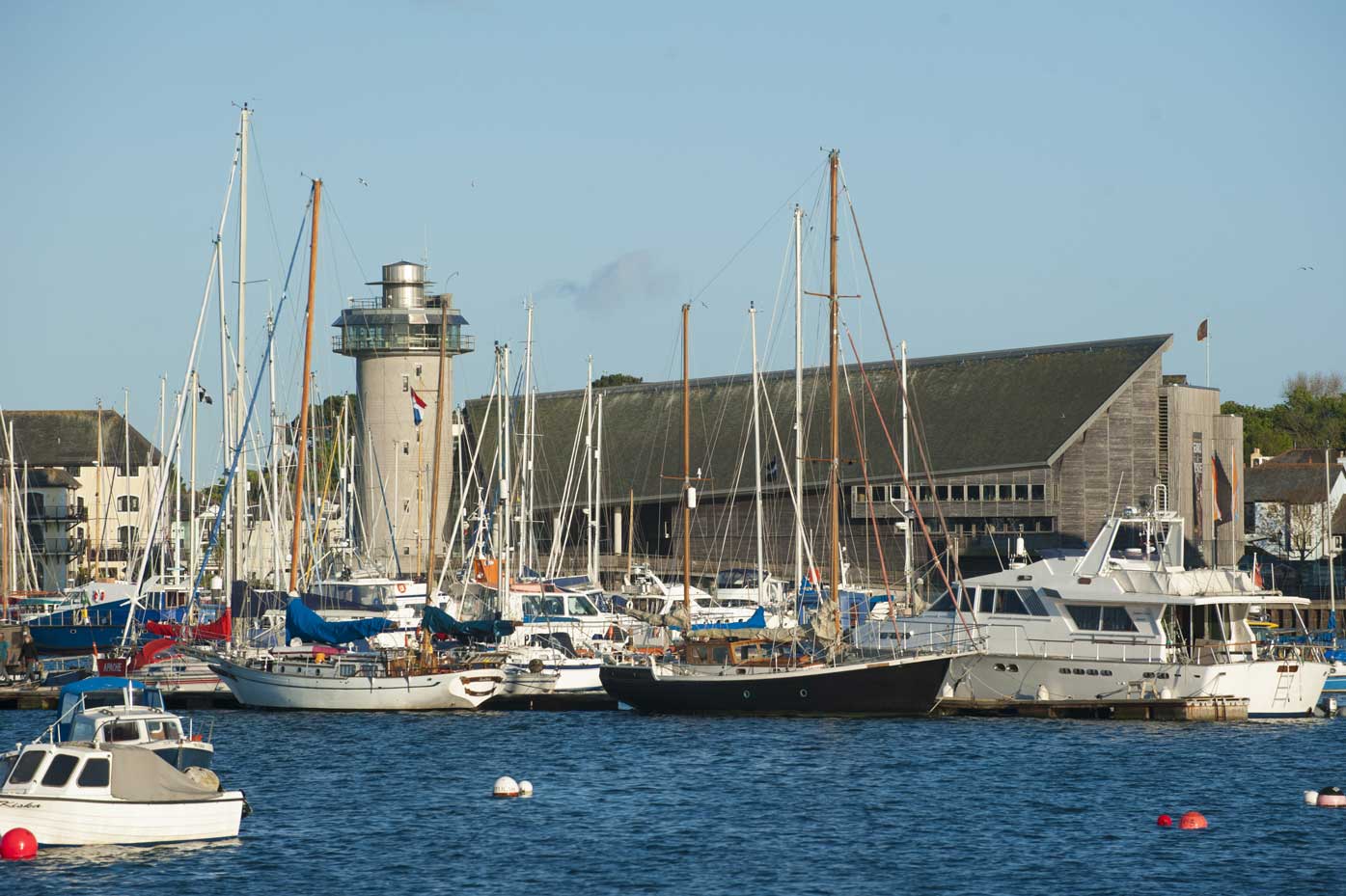
The National Maritime Museum was opened on 14th March 2003 by the Duke of York, HRH Prince Andrew. Many notable sailing achievements have taken place in Falmouth waters, with perhaps the two most well-known being Robin Knox-Johnston’s, who became the first person to sail single handed and non-stop around the world in 1969 and Ellen Macarthur’s who did it in 2007, becoming the fastest person in the process, to do so. Falmouth has its own university, the Falmouth University; with two campuses. They offer undergraduate and postgraduate courses mainly in the fields of Art, Design and Media.